Craft Roots, Bright Futures
Lace That Breathes: Idrija Threads Reimagined
From Bobbins to Algorithms
Pattern notebooks passed down through families are scanned, vectorized, and parameterized so holes, twists, and crossings can flex with body motion and airflow. Students at Center Rog pair bobbin practice with Grasshopper scripting, discovering that code helps reveal mistakes and possibilities hidden inside centuries of muscle memory. Comment with your favorite pattern quirks, and watch revisions unfold in annotated screenshots and studio reels.
Collaborating with Grandmothers
Weekend sessions bring seasoned lacemakers and young designers to the same table, swapping coffee, stories, and hand positions. Elders correct tension by ear, while newcomers share ergonomic pillows and portable frames. The exchange preserves pride, prevents tokenism, and sparks coauthored pieces sold with names of every contributor. Add your questions for the next intergenerational Q&A, and help record regional stitch names for future learners.
Beyond Doilies, Into Runways
Collaborations with fashion graduates translate delicate grids into resilient panels using recycled nylon cores wrapped with linen. Catwalk tests reveal snag points, prompting micro-repairs mid show that become part of the narrative. Audiences witness maintenance as performance, and lace reclaims relevance through visibility, utility, and witty swagger. Vote on prototypes for everyday wear, and join fittings that prioritize movement, breathability, and honest mending.
Wood, Mountain, Hand: Ribnica’s Quiet Revolution

Wool Awakens: Jezersko–Solčava Fibers Made Modern

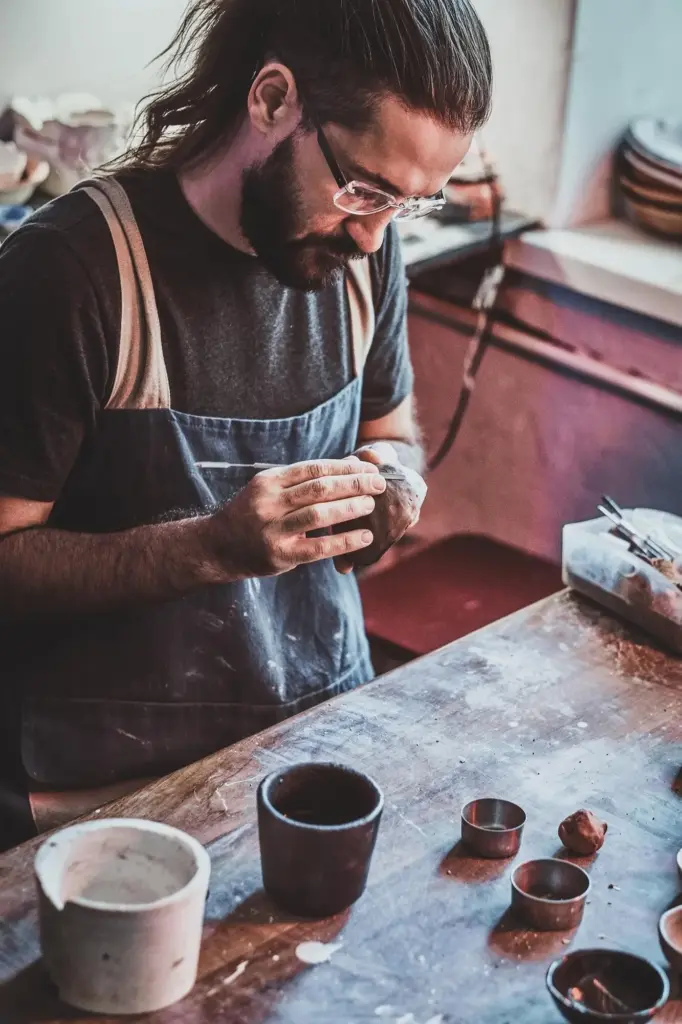

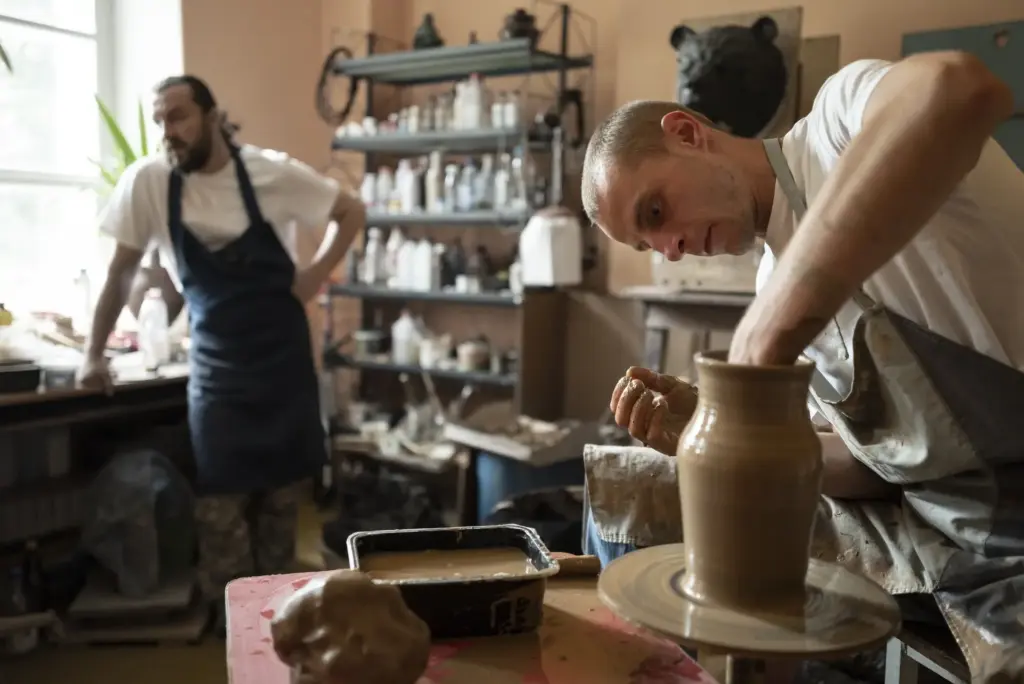
Clay of the Pannonian Plain: Filovci and Beyond
Bees, Baskets, and the Rhythm of Hives
Carniolan Calm, Designer Curiosity
Workdays begin at dawn with hive checks, followed by sketching frames sized for the AZ system common in Slovenia. Designers notice how bees coat rough edges with propolis, then translate that instinct into protective touches on handles, entrances, and tools destined for busy human hands. Send questions for beekeepers, compare glove dexterity, and learn to move slowly with confidence.
Hives as City Furniture
Prototype enclosures double as benches and planters, offering shade, scent, and gentle buzz without exposing passersby to flight paths. Panels carry artwork by young illustrators nodding to folk motifs. Maintenance is scheduled like street cleaning, and neighbors receive honey shares for hosting rooftop or courtyard habitats. Map safe placement, volunteer watering shifts, and celebrate first blooms together.
Wax, Wood, and Waste-Free Finishes
Experiments blend beeswax with tung oil for breathable sealants on chopping boards and stools. Offcuts become smoker fuel and fire starters for ceramic kilns. Finish recipes are published under creative commons, inviting readers to test, adapt, and report back with photos, failures, and gratifying little victories. Subscribe for formulations, hazard notes, and seasonal tweaks guided by temperature and humidity.
Learning Hubs: Studios, Schools, and the Bridge Between
Mentorship that Moves Hands
Programs pair graduating designers with master craftspeople for paid months, ensuring apprenticeships are dignified, not romanticized. Participants document process decisions, material waste, and pricing, then publish open case studies. Readers can follow along, ask questions, and even join critiques via livestreams scheduled across time zones. Nominate mentors, request transcripts, and help keep hard-won insights accessible.
Residencies with Real Neighbors
Instead of isolating in rural studios, residents host tea hours, repair days, and children’s drawing walks. A ceramicist fixes a village baking dish; a weaver labels attic looms; a woodturner fits a cane. Designs emerge shaped by daily needs, not gallery briefs, and communities stay involved afterward. Offer guest rooms, suggest local tasks, and welcome visiting hands with stories.
Competitions that Fund Experiments
Calls request prototypes, then actually pay for tooling and testing, not just applause. Winners receive studio time at Center Rog, liability advice, and a budget for user trials. Subscribers vote on wild cards, bringing unexpected materials and overlooked skills into the spotlight with transparency and cheer. Enter your idea, volunteer as a tester, and help choose the next bold leap.

All Rights Reserved.