Wandering Slovenia’s Living Workshops
Today we journey through “Artisan Trails: A Regional Guide to Slovenia’s Heritage Workshops and Studios,” tracing lace threads in Idrija, the cheerful ring of hammers in Kropa, the quiet shimmer of Piran salt pans, and the warm welcome of studios where makers share memory, technique, and place. Pack curiosity, listen closely, and let each encounter guide the next path across valleys, rivers, and cobbled streets.
Paths Through Craft and Landscape
Mornings begin with mountains glowing above misty valleys, where travel distances look small on maps but become rich when measured by conversations and clattering tools. Follow river bends, vineyard lanes, and stone villages to find doors half open, inviting you to pause, smell sawdust, and hear stories woven through lime, iron, linen, and salt. Let the journey unfold slowly; each stop suggests another, like hand-stitched steps across a living map.
Meeting the Makers
Conversations matter as much as techniques. Greet with a smile, watch carefully, and let silence reveal motion you might otherwise miss. Many makers learned from grandparents, guild mentors, or patient neighbors. Some balance second jobs, while others teach to keep traditions alive. When you buy directly, you invest in continuity. Ask permission before photos, offer fair appreciation, and remember names; craftspeople are the bright, steady heart of this journey.
Idrija Bobbin Lace in Motion
Watch dozens of bobbins click like rain on a wooden sill, guided by pricked patterns and hands that remember sequences better than words. The lace grows from intersections of patience and math, draping history across pillows. Ask about thread choices, festival displays, and contemporary designs that reinterpret old motifs for jackets, lampshades, or jewelry. You come away understanding lace as architecture built from softness, a bridge between household intimacy and public celebration.
Ribnica’s Woodenware Trails
Suha roba, the famed “dry goods,” lines Ribnica’s stalls with bowls, sieves, toys, and spoons cut from alder, beech, or maple. Follow the grain’s pale rivers as makers carve, sand, and occasionally sing. You learn how humidity matters, how a knife angle decides a profile, and how finishing oil deepens color. Buying here supports households that have shaped wood for centuries, turning forest conversations into domestic tools still asked to work daily.
Kropa’s Blacksmiths and the Ringing Forge
Step inside a dim, patient room where charcoal breathes and iron glows. The hammer speaks in patterns that apprentices memorize with their bones. Hooks, hinges, and nails carry dignity, balancing strength with quiet curve. Ask about quenching, temper, and the older furnaces that shaped railroads and homes. Leaving, you feel soot on your sleeve and an unexpected gratitude for the firm, useful beauty that keeps doors, ladders, and lives moving safely.
Taste as Craft
Baking Potica with Warmed Stoneware Pans
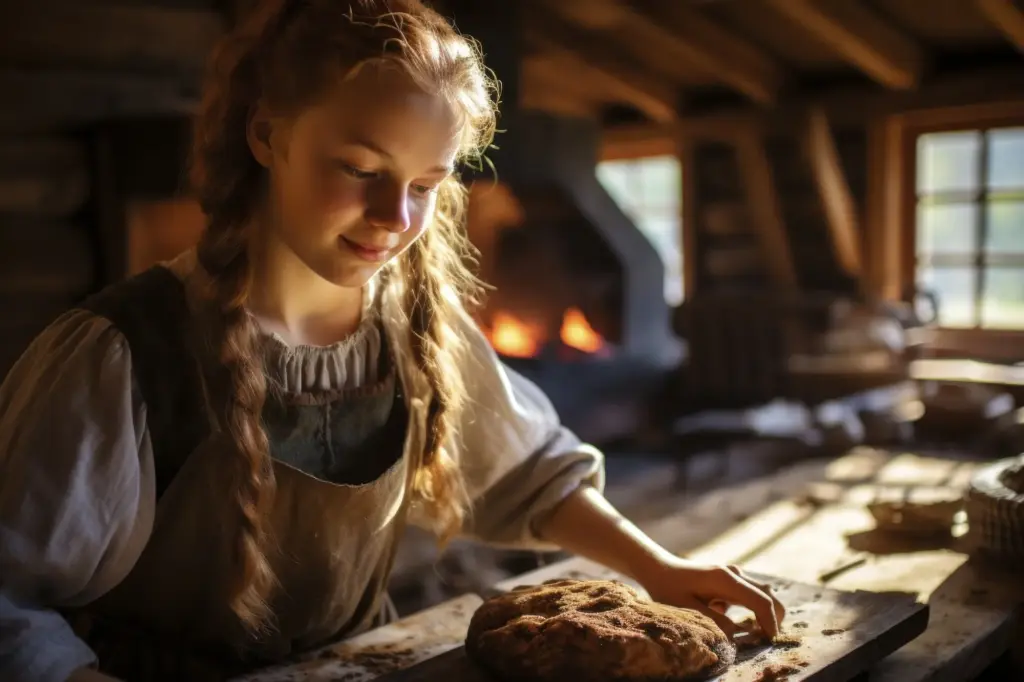
Flour dust floats in afternoon beams while someone’s aunt checks dough elasticity with two practiced fingers. Spreading walnut, tarragon, or poppy seed filling across stretched sheets teaches patience and even pressure. Rolling, coiling, and settling the loaf into a buttered pan becomes a choreography of trust. When the kitchen releases cinnamon and citrus, strangers turn into cousins. Carry the method home carefully, knowing each future loaf remembers the hands that showed you.
Green-Gold Pumpkin Seed Oil at the Press
At a small press, roasted seeds crackle with chocolatey perfume. The miller pinches a drop onto your wrist, asking you to taste warmth, not just flavor. Stories follow: storms that changed harvests, grandparents who saved recipes, labels redesigned by nieces. Understanding this oil means respecting fields, storage, and temperature. A bottle travels easily; its story travels better, reminding you to drizzle lightly, share generously, and thank the people who keep mills humming.
Cheese on the Mountain Pastures
Walk a grazing path where bells ring like slow metronomes. In a simple hut, milk steams into copper, and curds gather softly under wooden paddles. The maker explains timing by pointing at clouds, fences, and a watch no longer worn. Taste is weather translated into texture. Buy a wedge wrapped in paper, then descend with pockets smelling of hay, the day’s effort condensed into something both nourishing and humbly celebratory.

Designing Your Route
Great trips blend preparation with openness. Mark must-see studios, then leave hours for surprises. Trains, regional buses, and short hikes connect many villages; e-bikes expand gentle distances. Pack layers, respect sudden rain, and carry small cash for rural purchases. Write makers early, confirm language preferences, and accept that plans may flex when conversations bloom. Share your intended path with friends, invite their tips, and return ready to map together again.

Sustainability, Respect, and Fair Value
Craft heritage flourishes when curiosity meets responsibility. Pay fairly, understanding that prices reflect skilled labor, rent, tools, and years of practice. Ask before photographing, credit names when sharing, and avoid copying patterns into mass production. Seek workshops that mentor apprentices and welcome newcomers. Choose pieces built to last, repair them gladly, and learn the difference between souvenir impulse and mindful support. Your decisions ripple outward, strengthening the people who keep traditions vibrant.

Stories to Carry Home
Days on these roads settle into memory like fine dust on boots. Journal details before sleep: names, sounds, and tiny gestures that made technique visible. Share a highlight with friends, invite questions, and consider subscribing for future route updates. If you return, bring a companion who will listen well. Craft journeys are best when stories multiply and circle back, strengthening the communities that welcomed you with warmth, patience, and brave generosity.
A Day in Idrija I Still Feel in My Fingers
The pillow rested on my lap like a friendly animal, bobbins clicking their wooden heartbeat while the teacher whispered numbers that meant crossings. I tangled, untangled, laughed, and finally glimpsed a steady rhythm. Later, tea tasted brighter, and the street seemed woven too. That tiny lace sample lives in my notebook, reminding me that tenderness and structure can share the same square inch when patience is given room to breathe.
Salt on the Tongue, Iron in the Ears
In Piran, wind salted my lips before the guide explained crystallization like a children’s riddle: shallow pans, sun, time. In Kropa, the forge roared agreement, turning air to percussion and sparks into punctuation. Two different elements, united by discipline and weather. Walking between them taught me attention is the bridge that makes taste and sound translate across miles, carrying a traveler gently from shoreline shimmer to hammer-lit dusk.

All Rights Reserved.